Powered by the editorial team at The Pulse, BMF’s 2026 Cultural Trendbook outlines where culture is headed next, distilling the patterns, priorities, and values shaping the marketing landscape of 2026.
Culture sits at the center of everything brands create, communicate, and influence. It shapes how people see themselves, what they value, and where they place their attention.
The Pulse, BMF’s editorial platform, tracks the cultural shifts, undercurrents, and subtle signals indicating where tastemakers are headed before the mainstream arrives. Our work equips brands to design with intention, act with confidence, and create meaningfully in the cultural moment ahead.


Powered by the editorial team at The Pulse, BMF’s 2026 Cultural Trendbook outlines where culture is headed next, distilling the patterns, priorities, and values shaping the marketing landscape of 2026.
Culture sits at the center of everything brands create, communicate, and influence. It shapes how people see themselves, what they value, and where they place their attention.
The Pulse, BMF’s editorial platform, tracks the cultural shifts, undercurrents, and subtle signals indicating where tastemakers are headed before the mainstream arrives. Our work equips brands to design with intention, act with confidence, and create meaningfully in the cultural moment ahead.
TL;DR
What You Need To Know About Culture in 2026
Culture is shifting in five clear ways:

The St. Regis Bal Harbour Resort | @stregisbalharbour
People want emotional steadiness, not intensity.
Calm, clarity, and regulation shape choices across wellness, entertainment, design, and daily habits.

Photo via Parlux | BWFH | @wearebmf
Identity is becoming quieter, deeper, and more symbolic.
Micro-signals, emotional objects, and eclectic self-curation replace aesthetics built for algorithms.

Photo via Filipp Romanovski | Unslpash
Materials, design, and consumption are moving toward longevity.
People value craft, patina, and second-life systems. New objects need a reason to exist.

Photo via Mika Baumeister | Unsplash
Technology is evolving to support real life.
Platforms and AI tools succeed when they create time, restore focus, and strengthen offline connection.

Photo via Marriott International | @wearebmf
Culture is increasingly participatory and collective.
Fans build worlds, communities set meaning, and narratives evolve through interpretation rather than broadcast.

Photo via HsinKai Tai | Unsplash
2026 marks the beginning of a cultural reset. The past decade delivered a steady rhythm of acceleration, disruption, overstimulation, and fragmentation.
People have adapted to relentless motion for so long that exhaustion became a pervasive state. At this moment, culture is finally ready for something different. Renewal begins to take shape. Individuals step back from the churn to rebuild meaning, rewrite identity, and rediscover personal agency. People are reclaiming the space to start over. They are editing their lives with greater intention, protecting energy, deepening relationships with ritual, and seeking calmer forms of pleasure. The pressure to perform in every dimension of life is losing power. The instinct to optimize is softening, even as performance culture persists in select communities. Curiosity and experimentation are returning in a new form: less performative, more grounded. Creativity feels possible again. Cultural Renewal reflects a broad shift in values. From fashion to technology to hospitality, audiences are choosing ideas and environments that feel alive and emotionally present. They gravitate toward materials that age well, designs that tell stories, communities that feel real, and systems that reduce noise rather than add to it. A desire for originality is rising. People want work, spaces, and experiences that feel distinct, intentional, and human. A new appetite for invention emerges across culture. People are breaking away from inherited narratives and familiar templates. They want room to evolve, to try again, and to build new forms of belonging. This is the year when imagination regains cultural relevance. A renewed future begins with the courage to reclaim possibility. The following forecast examines the forces shaping this cultural shift and the expressions of Renewal across style, identity, design, material, technology, society, economy, pop culture, wellbeing, and emotional life. It offers insight into the values guiding 2026 and the opportunities for brands ready to lead with clarity, originality, and care.
Macro Forces Shaping 2026

Photo via Lustre Art Group | stock.adobe.com

People are returning to themselves. After a long period defined by intensity and overstimulation, the cultural mood is quieter. Calm environments, sensory grounding, and emotional clarity are gaining value. Individuals seek experiences that replenish attention and create space to think. The desire for gentler rhythms influences the way people spend, dress, gather, and choose brands. Emotional steadiness becomes a priority across wellness, design, technology, and entertainment.
Emotional
Reset
Photo via ronstik | stock.adobe.com

Audiences want materials that feel real. Surfaces, textiles, objects, and interiors reflect a renewed interest in craft, texture, and longevity. People respond to visibly aging materials, tactile warmth, and the quiet confidence of well-made things. Across fashion, hospitality, and home design, the emphasis moves toward choices that endure and materials that develop character. Honesty becomes a design value.
Material
Honesty
Photo via Parlux | BWFH | @wearebmf

People are returning to ritual as a form of emotional grounding. This does not reflect institutional religion, but rather a desire for meaning-making through personal routines and shared moments. Ritual shows up in scent, ceremony, seasonal traditions, slow gatherings, and practices that support stability. The New Sacred turns everyday acts into intentional experiences that connect people to themselves and others.
The New
Sacred
Photo via Canyon Ranch | @canyonranch

People want to step away from the noise with intention. Travel becomes a tool for renewal rather than escape. Hospitality places value on restorative design, nature immersion, and calm environments. Leisure reflects clarity over spectacle. People seek places and experiences that leave them feeling restored, not depleted. Purposeful Escape aligns emotional needs with travel and entertainment decisions.
Purposeful
Escape
Photo via ronstik | stock.adobe.com

Global sameness created fatigue. People want to reconnect with smaller, more tangible environments. Neighborhood culture, regional identity, intimate gatherings, and hyperlocal design become meaningful anchors. These local worlds give people a sense of place and belonging that feels more attainable than broad global narratives. Travel, retail, and hospitality adapt by offering experiences shaped by specific geographies rather than universal templates.
Local
Worlds
Photo via Retamosa | stock.adobe.com

Identity formation shifts away from performance and outward signaling. People are embracing a more introspective approach to self-expression. They are less concerned with producing a curated persona and more drawn to expressions that feel intuitive and internally aligned. Slow Individualism emphasizes personal growth, thoughtful experimentation, and identity that unfolds over time rather than reacting to social pressures or algorithmic trends.
Slow Individualism
Photo via Zoran Zeremski | stock.adobe.com

Algorithmic influence shaped visual culture for more than a decade, producing homogenized aesthetics and a predictable creative landscape. In 2026, audiences seek work that feels human, irregular, and personal. Imperfection carries emotional charge. Creative unpredictability gains appeal. People value handmade details, tactile imagery, and visual expression that falls outside standardized patterns.
Post-Algorithm Aesthetics
STYLE & IDENTITY

Photo via UGG | @wearebmf
Micro-Signals:
Codes Of Belonging
People express identity through subtle yet culturally loaded markers. These micro-signals carry humor, values, references, and affiliations that help individuals find their community. They appear in charms, zipper pulls, enamel pins, run-club badges, color-coded outfits, fandom objects, and tiny accessories that travel through daily life as symbolic shorthand. Concert-coded looks, book-club merch, fitness crew identifiers, and TikTok color or emoji references act as low-stakes invitations to connect. These small cues allow people to navigate social spaces with less friction and more familiarity. As overt self-branding loses appeal, micro-signals offer a softer, more relational way to belong.
Key takeaway
Create symbolic tokens, micro-merch, and cultural codes that communities can adopt. The smallest signals often create the strongest bonds.

Photo via Monkey47 | @wearebmf
Emotional Anchors:
Objects That Hold Us
People strengthen their identities through objects with emotional resonance. Heirlooms, archival jewelry, engraved keepsakes, handwritten tattoo recreations, and visible mending carry personal history. These belongings provide grounding during uncertain times. A renewed interest in archives emerges across fashion, jewelry, and homeware as people search for continuity between past and present. This emotional turn reshapes brand behavior. Heritage revivals and reissue programs gain traction. Repair, restoration, and personalization services allow audiences to deepen their connection to objects they already own. Continuity becomes a form of comfort. In 2026, sentiment shapes consumption and identity alike.
Key takeaway
Create offerings that honor memory. Archive programs, restoration services, and personalized design support a desire to carry stories through objects.

Photo via Jerome LaMaar | @jeromelamaar
Personal Eclecticism:
Curated Chaos
Style enters a phase defined by contrast. Tailoring pairs with streetwear. Graphic elements layer over quiet foundations. Vintage and contemporary pieces combine in unexpected ways. The point is no longer cohesion, but personal logic—looks assembled as visual biographies rather than polished themes. Red carpet influence accelerates this behavior. The 2025 Met Gala, rooted in Black dandyism and heritage tailoring, normalized expressive layering, historical references, and deliberate contradiction. That energy carries into everyday style, where mixing portrays confidence and cultural fluency. Eclecticism becomes a shorthand for self trust.
Key takeaway
Design formats that encourage interpretation, layering, and personal remixing. Give audiences permission to build their own meaning rather than follow a fixed aesthetic path.
DESIGN & MATERIAL
Photo via NYC Meadow Lane | @meadowlanenyc

The Aesthetic Supply Chain: Designed To Be Seen
Food culture has become a visual language. Pantry goods, beverages, and everyday consumables now function as expressions of taste, identity, and status. Shelves resemble mood boards. Packaging doubles as decor. Products are designed to be seen as much as they are used. Pre-dawn lines outside buzzy specialty shops, viral smoothies functioning as cultural billboards, and packaging engineered for display all underscore this shift. Pantry goods transition from utility to aesthetic infrastructure. Brands expand into broader lifestyle ecosystems, transforming kitchen culture into a visual identity system.
Key takeaway
Treat packaging and product design as lifestyle artifacts. Create objects that people want to display and collect.
Mary Kate Olsen’s Beat Up Birkin | @angelsgotjokes

Durable Beauty: The Age Of Creating To Endure
The value of endurance reshapes design and consumption. Pre-loved luxury continues to outperform new releases, and vintage collections increasingly eclipse seasonal drops. Interest in patina, provenance, and visible wear reflects a preference for materials that evolve rather than expire. Woods darken. Leathers soften. Metals oxidize. Use becomes part of the story. Repair culture gains prominence. Restoration programs, visible mending, and care-forward services support longer product lifecycles. Across fashion, interiors, and hospitality, lived-in beauty replaces glossy perfection. To introduce something new, brands must now justify its longevity.
Key takeaway
Invest in materials and design choices that age well. Longevity becomes a competitive advantage.
Photo via @marineserre_official

Second-Life Systems: Materials That Never End
Design is embracing planned continuation. Products and environments are created with their next form already imagined. Scenic assets transform into furniture. Upcycled textiles become luxury capsules. Reusable materials move through multiple iterations. Brands explore circular design kits built to transition across categories and spaces. Sustainability becomes visible and narrative-driven, not hidden behind logistics. Objects gain emotional weight as they move through chapters rather than lifecycles. In a year defined by renewal, second-life systems represent more than responsibility. They create continuity and allow materials to carry memory forward. What existed before becomes the foundation for what comes next.
Key takeaway
Design systems, not endpoints. When audiences can follow a material’s evolution over time, renewal becomes part of your brand story—not just your sustainability strategy.
POP CULTURE
Photo via poppi | @wearebmf

Fandomonium: Audience-Built Worlds
Releases now unfold as interactive worlds rather than individual moments. Audiences expand narratives far beyond their original formats in real time. Shows release ecosystems rather than episodes, and fans map arcs, meanings, and emotional stakes in real time. Fashion follows the same logic: Matthieu Blazy’s Métiers d’Art films for Chanel, Demna’s cinematic debut for Gucci, GAP’s pop-icon campaigns, and J.Crew’s Wishlisters series each invite viewers to interpret, replay, and extend beyond the campaign. Pop music fandoms mobilize better than most government institutions, operating at full throttle to dissect lyrics, symbols, and speculation while creating plotlines and rivalries that often eclipse the official release itself. The center of cultural power shifts toward collective co-authorship. Audiences decide what matters.
Key takeaway
Commit to calculated risk. Invest in unconventional formats, youth-driven voices, and storylines that invite interpretation.
Photo via Jelly Luise | Death To Stock

The Streaming Effect: Real-Time To Prime-Time
Real-time entertainment now competes directly with studio-backed productions. Livestream creators, celebrities, and unfiltered moments pull massive audiences through immediate access. Justin Bieber’s Twitch streams pull global attention in minutes. Beauty brands turned TikTok Live drops into calendared events. Dancing With the Stars layered live behind-the-scenes streams onto broadcast episodes, creating parallel narratives for fans to follow in real time. The appeal lies in presence, access and unpredictability. Audiences are drawn to moments that feel unstable, unscripted, and impossible to replicate after the fact. Live formats reward curiosity, nosiness, and the fear of missing the moment, delivering attention that pre-produced content struggles to hold.
Key takeaway
Treat live moments as cultural real estate. Build formats with stakes, interaction, or real-time payoff. Presence beats perfection when attention is scarce.
Photo via Marriott International | @wearebmf

The Collective Flashpoint: Revival, Nostalgia, Reset
Nostalgia shifts from repetition to reinterpretation. Familiar stories return with updated meaning, shaped by today’s cultural climate. Classic works like Wuthering Heights are reimagined for modern audiences, with Charli XCX scoring the adaptation, while long-standing franchises shine light on present-day anxieties rather than escaping them. Cultural anniversaries spark reflection more than celebration. Aesthetics follow the same pattern. Heritage codes are constantly being renamed, recontextualized, and recirculated by audiences themselves. We saw it with “Ralph Lauren Christmas,” a trend that took nothing more than classic red and green décor and infused it with heritage status. The brand didn’t define this nostalgia—the culture did. Renewal appears through reinterpretation: the past gains relevance only when it speaks to now.
Key takeaway
Revisit archives with intention. Influence comes from inviting and guiding reinterpretation, not resisting it.
WELLBEING & HAPPINESS
Photo via ELEMIS | @wearebmf
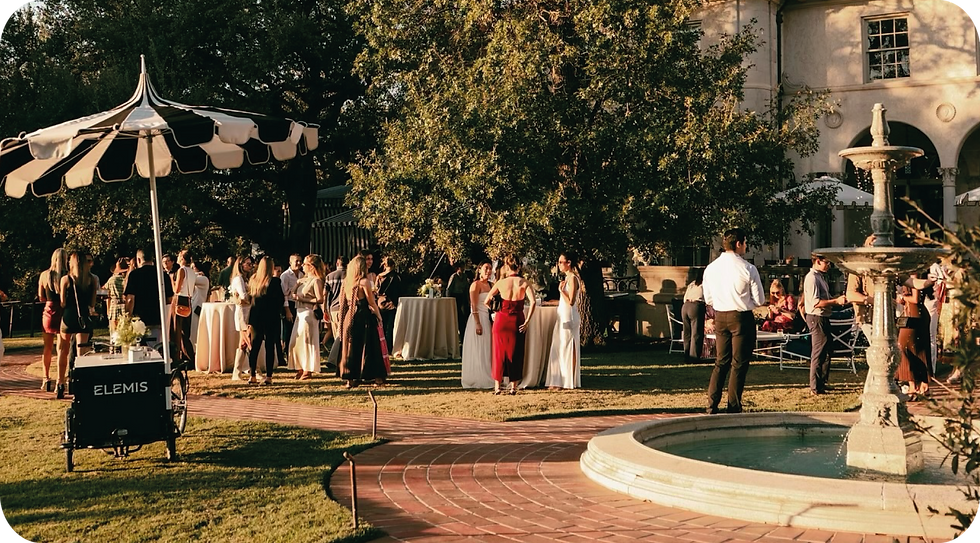
The Nervous System Era: A Culture Of Calm
In a climate defined by constant alerts—news cycles, social feeds, economic uncertainty, and heightened mental-health awareness—people are prioritizing physiological regulation as a form of self-preservation. Quiet hours, ASMR studios, sleep concerts, and regulation-focused wearables create new wellness rituals. Sound, stillness, and sensory experiences become tools for steadying the mind and body. Stability replaces optimization as the wellness goal.
Key takeaway
Create offerings that reduce stimulation. Calm, safety, and nervous-system ease now carry cultural and commercial value.
Photo via Neutrogena | @wearebmf
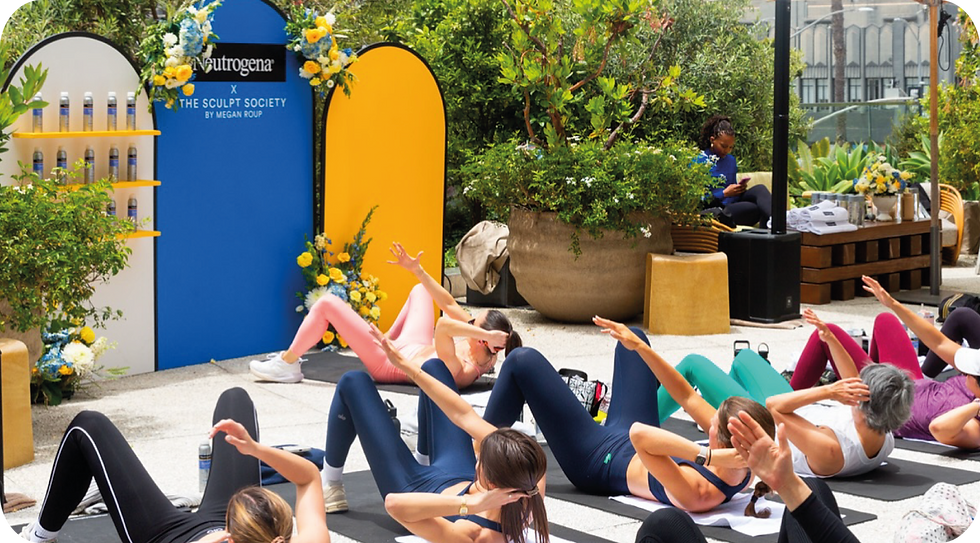
Durable Beauty: The Age Of Creating To Endure
Beyond home (first space), work (second space), and traditional social venues like bars or cafes (third space), a new category of environment is emerging. Fourth spaces are designed specifically for emotional recalibration rather than productivity or performance. They include breathwork studios, listening bars, sober-curious gatherings, and small restorative environments that invite people to slow down together. These spaces prioritize presence over output and community over transaction. They function as shared exhale points in overstimulated lives—places where people can arrive without expectation and leave feeling steadier.
Key takeaway
Build environments that protect attention and encourage lingering. Subtle design builds deeper loyalty than spectacle.
Photo via Fanette Guilloud | Death To Stock

Second-Life Systems: Materials That Never End
After years of chasing highs through constant stimulation, optimization, and “dopamine hacks”, people are redefining pleasure itself. Rather than extreme peaks, the cultural mood now favors steadiness and favorable joy. Slow-focus practices, craft-based hobbies, sensory rituals, and brain-engagement activities reframe wellness as something sustainable rather than performative. This is not a return to dopamine culture, but an evolution of it. The emphasis moves away from deprivation and toward cultivation—habits that regulate mood, anchor attention, and feel good without burnout.
Key takeaway
Offer rituals, products, and experiences that deliver gentle uplift rather than spikes. Sustainable joy builds deeper emotional resonance than short-lived stimulation.
TECH & SYSTEMS
Photo via Partiful | @partiful

Beyond the Scroll: Tech That Rebuilds Real Life
People want technology that strengthens offline connection instead of competing with it. Tools that help organize gatherings, sustain friendships, explore hobbies, and activate community gain traction. Social-planning apps are evolving into everyday tools for friendship and community—helping Gen Z coordinate gatherings, sustain relationships, and stay socially connected with less friction. These systems succeed because they return people to one another. Tech that facilitates real life becomes more desirable than tech that competes with it. The most resonant tools act like infrastructure for human interaction, quietly supporting spontaneity, creativity, and togetherness. The next wave of digital innovation supports life rather than replaces it.
Key takeaway
Create tech-enabled experiences that support offline togetherness. Tools that help people show up for real life build deeper trust than those that ask for constant engagement.
Photo via Cash Macanaya | Unsplash

The Human Algorithm: Craft And Intelligence
As AI becomes unavoidable, so does discomfort around its overuse. Automated output is everywhere, creating a sense of sameness and uncertainty about authorship, truth, and intent. In response, audiences are becoming more attuned to who shaped something and why. Human judgement, taste, and perspective now read as premium. Hybrid creative models are emerging as the cultural sweet spot. AI serves as an accelerant for visualization and ideation while final decisions remain human. What resonates is not technical perfection, but visible intention. People want creativity shaped by perspective, not by automation alone. Cultural value lies in the blend of intuition and intelligence.
Key takeaway
Use AI to enhance human creativity, not replace it. Audiences respond to work that feels considered, authored, and emotionally intelligent.
Photo via Agustín Farías | Death To Stock

Digital Detoxing: The Return Of Spacious Tech
People are actively rebuilding digital boundaries. Distraction-blocking devices, simplified phones, and boundary-supporting features gain traction. Hardware introduces intentional friction—from tap-to-lock functions to reduced-function devices—making focus a default instead of a discipline. At the same time, retreats and hospitality experiences frame disconnection asa luxury rather than deprivation. Calm becomes a cultural goal. People want fewer interruptions, quieter screens, and more space for presence. This desire for mental spaciousness now influences everything from app design to physical architecture. Digital distance is no longer about rejecting technology, but about using it on more human terms.
Key takeaway
Create experiences that reduce cognitive load. Respecting attention builds trust.
SOCIETY & ECONOMY
Photo via Di Paolo | Death To Stock
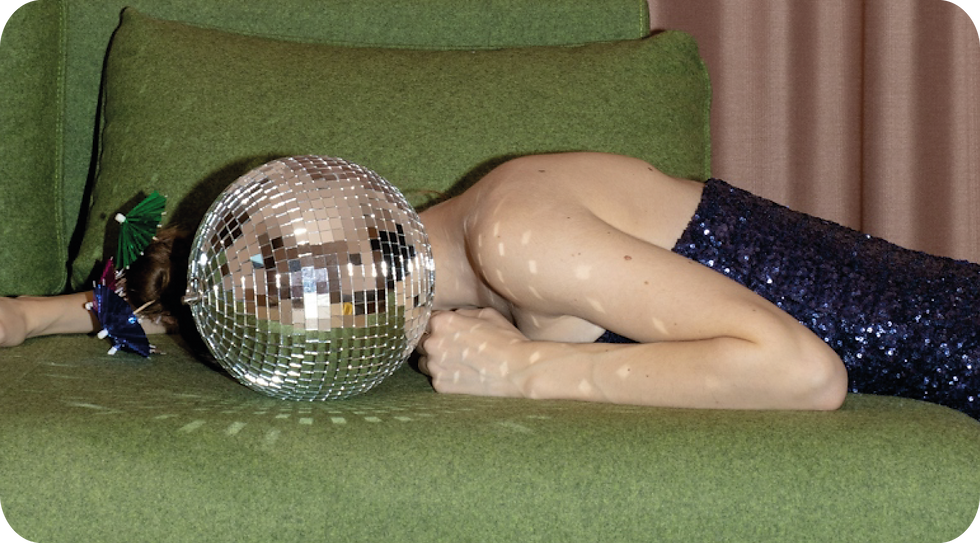
You Feel That Too?: Collective Interior Emotion:
People share interior thoughts and emotional quirks more openly than ever. Hyper-specific descriptions, confessions, and personal observations reveal common ground across demographics. This form of emotional transparency creates unexpected community. Instead of grouping by aesthetics or interests, people find connection through shared feelings. These micro-recognitions create comfort and reduce loneliness. They become cultural infrastructure for a fragmented society.
Key takeaway
Craft storytelling that reflects real emotional experiences. Authenticity deepens relatability.
Photo via Tada Images | stock.adobe.com

Changes At Checkout: The Age Of Deferred Everything
For Gen Z, financial life is organized around access and control rather than accumulation or delayed reward. Platforms like Cash App, Afterpay, Affirm, and Klarna function as everyday stabilizers, helping consumers participate in culture via consumption. “Buy Now Pay Later” short-term debt financing is now seen less as indulgence and more as a pragmatic tool that preserves agency and offers psychological relief alongside affordability. Brands that connectwith consumers today design with this reality in mind: lowering friction, normalizing optionality, and treating financial access as table stakes for 2026.
Key takeaway
Flexibility, optionality, and low-friction entry are now core consumer values, not just checkout features. Consider products, packages, and messaging that emphasize flexibility and instant gratification.
Photo via Jack Daniel’s | @wearebmf

Work Hard, Play Smart: Balance As Ambition
Ambition is being reframed through boundaries. Balance becomes a strategy rather than a luxury. Gen Z embraces hybrid work rhythms, energy management, and restorative breaks as part of success. Leisure follows the same pattern, with early evening events, sober-curious formats, and travel centered on renewal rather than escape. Balance influences spending, scheduling, and social behavior. A grounded approach to living becomes aspirational.
Key takeaway
Design offerings that support both drive and restoration. Brands that help people sustain momentum, without depletion, will earn long-term relevance.
Photo via NYC Meadow Lane | @meadowlanenyc
The Aesthetic Supply Chain: Designed To Be Seen
Food culture has become a visual language. Pantry goods, beverages, and everyday consumables now function as expressions of taste, identity, and status. Shelves resemble mood boards. Packaging doubles as decor. Products are designed to be seen as much as they are used.
Pre-dawn lines outside buzzy specialty shops, viral smoothies functioning as cultural billboards, and packaging engineered for display all underscore this shift. Pantry goods transition from utility to aesthetic infrastructure. Brands expand into broader lifestyle ecosystems, transforming kitchen culture into a visual identity system.
Key takeaway for brand marketers:
Treat packaging and product design as lifestyle artifacts. Create objects that people want to display and collect.
Mary Kate Olsen’s Beat Up Birkin | @angelsgotjokes
Durable Beauty: The Age Of Creating To Endure
The value of endurance reshapes design and consumption. Pre-loved luxury continues to outperform new releases, and vintage collections increasingly eclipse seasonal drops. Interest in patina, provenance, and visible wear reflects a preference for materials that evolve rather than expire. Woods darken. Leathers soften. Metals oxidize. Use becomes part of the story. Repair culture gains prominence.
Restoration programs, visible mending, and care-forward services support longer product lifecycles. Across fashion, interiors, and hospitality, lived-in beauty replaces glossy perfection. To introduce something new, brands must now justify its longevity.
Key takeaway for brand marketers:
Invest in materials and design choices that age well. Longevity becomes a competitive advantage.
Photo via Marine Serre Upcycled | @marineserre_official
Second-Life Systems: Materials That Never End
Design is embracing planned continuation. Products and environments are created with their next form already imagined. Scenic assets transform into furniture. Upcycled textiles become luxury capsules. Reusable materials move through multiple iterations.
Brands explore circular design kits built to transition across categories and spaces. Sustainability becomes visible and narrative-driven, not hidden behind logistics. Objects gain emotional weight as they move through chapters rather than lifecycles.
In a year defined by renewal, second-life systems represent more than responsibility. They create continuity and allow materials to carry memory forward. What existed before becomes the foundation for what comes next.
Key takeaway for brand marketers:
Design systems, not endpoints. When audiences can follow a material’s evolution over time, renewal becomes part of your brand story—not just your sustainability strategy.
DESIGN & MATERIAL
Design reflects responsibility and renewal. People invest in objects and spaces that justify their presence through durability, emotional resonance, and material integrity. After years of disposable aesthetics and fast novelty, there is growing sensitivity to how things are made, how they age, and why they exist at all.
Rather than spectacle, design now communicates values. Objects are expected to last, improve with time, and hold meaning beyond their initial moment. These shifts trace how material choices reflect renewed cultural priorities.
POP CULTURE
Pop culture becomes participatory and unpredictable. The crowd contributes to meaning-making, with cultural impact emerging through active interpretation, remixing, and real-time response. Momentum no longer builds quietly behind the scenes—it forms out loud, in public, and often faster than planned. Renewal influences the stories people revive, reinterpret, and reimagine.
Photo via poppi | @wearebmf
Fandomonium: Audience-Built Worlds
Releases now unfold as interactive worlds rather than individual moments. Audiences expand narratives far beyond their original formats in real time. Shows release ecosystems rather than episodes, and fans map arcs, meanings, and emotional stakes in real time. Fashion follows the same logic: Matthieu Blazy’s Métiers d’Art films for Chanel, Demna’s cinematic debut for Gucci, GAP’s pop-icon campaigns, and J.Crew’s Wishlisters series each invite viewers to interpret, replay, and extend beyond the campaign.
Pop music fandoms mobilize better than most government institutions, operating at full throttle to dissect lyrics, symbols, and speculation while creating plotlines and rivalries that often eclipse the official release itself. The center of cultural power shifts toward collective co-authorship. Audiences decide what matters.
Key takeaway for brand marketers:
Commit to calculated risk. Invest in unconventional formats, youth-driven voices, and storylines that invite interpretation.
Photo via Jelly Luise | Death To Stock
The Streaming Effect:
Real-Time To Prime-Time
Real-time entertainment now competes directly with studio-backed productions. Livestream creators, celebrities, and unfiltered moments pull massive audiences through immediate access. Justin Bieber’s Twitch streams pull global attention in minutes. Beauty brands turned TikTok Live drops into calendared events. Dancing With the Stars layered live behind-the-scenes streams onto broadcast episodes, creating parallel narratives for fans to follow in real time.
The appeal lies in presence, access and unpredictability. Audiences are drawn to moments that feel unstable, unscripted, and impossible to replicate after the fact. Live formats reward curiosity, nosiness, and the fear of missing the moment, delivering attention that pre-produced content struggles to hold.
Key takeaway for brand marketers:
Treat live moments as cultural real estate. Build formats with stakes, interaction, or real-time payoff. Presence beats perfection when attention is scarce.
Photo via Marriott International | @wearebmf
The Collective Flashpoint: Revival, Nostalgia, Reset
Nostalgia shifts from repetition to reinterpretation. Familiar stories return with updated meaning, shaped by today’s cultural climate. Classic works like Wuthering Heights are reimagined for modern audiences, with Charli XCX scoring the adaptation, while long-standing franchises shine light on present-day anxieties rather than escaping them. Cultural anniversaries spark reflection more than celebration.
Aesthetics follow the same pattern. Heritage codes are constantly being renamed, recontextualized, and recirculated by audiences themselves. We saw it with “Ralph Lauren Christmas,” a trend that took nothing more than classic red and green décor and infused it with heritage status. The brand didn’t define this nostalgia—the culture did. Renewal appears through reinterpretation: the past gains relevance only when it speaks to now.
Key takeaway for brand marketers:
Revisit archives with intention. Influence comes from inviting and guiding reinterpretation, not resisting it.
Photo via ELEMIS | @wearebmf
The Nervous System Era: A Culture Of Calm
In a climate defined by constant alerts—news cycles, social feeds, economic uncertainty, and heightened mental-health awareness—people are prioritizing physiological regulation as a form of self-preservation. Quiet hours, ASMR studios, sleep concerts, and regulation-focused wearables create new wellness rituals.
Sound, stillness, and sensory experiences become tools for steadying the mind and body. Stability replaces optimization as the wellness goal.
Key takeaway for brand marketers:
Create offerings that reduce stimulation. Calm, safety, and nervous-system ease now carry cultural and commercial value.
Photo via Neutrogena | @wearebmf
Durable Beauty: The Age Of Creating To Endure
Beyond home (first space), work (second space), and traditional social venues like bars or cafes (third space), a new category of environment is emerging. Fourth spaces are designed specifically for emotional recalibration rather than productivity or performance. They include breathwork studios, listening bars, sober-curious gatherings, and small restorative environments that invite people to slow down together.
These spaces prioritize presence over output and community over transaction. They function as shared exhale points in overstimulated lives—places where people can arrive without expectation and leave feeling steadier.
Key takeaway for brand marketers:
Build environments that protect attention and encourage lingering. Subtle design builds deeper loyalty than spectacle.
Photo via Fanette Guilloud | Death To Stock
Second-Life Systems: Materials That Never End
After years of chasing highs through constant stimulation, optimization, and “dopamine hacks”, people are redefining pleasure itself. Rather than extreme peaks, the cultural mood now favors steadiness and favorable joy. Slow-focus practices, craft-based hobbies, sensory rituals, and brain-engagement activities reframe wellness as something sustainable rather than performative.
This is not a return to dopamine culture, but an evolution of it. The emphasis moves away from deprivation and toward cultivation—habits that regulate mood, anchor attention, and feel good without burnout.
Key takeaway for brand marketers:
Offer rituals, products, and experiences that deliver gentle uplift rather than spikes. Sustainable joy builds deeper emotional resonance than short-lived stimulation.
WELLBEING & HAPPINESS
Wellbeing reflects the cultural desire for regulation, grounded joy, and collective care. After years of burnout, optimization, and solitary fixes, people are seeking wellness that feels lived-in, relational, and supportive over time. This shift is shaped by a wider backdrop of political instability, digital overload, and rising mental-health awareness, all of which have made steadiness feel more valuable than intensity. Health is about feeling regulated, connected, and able to stay present.
TECH & SYSTEMS
Technology reflects the cultural shift toward intention. After years of acceleration, audiences want digital tools that return time rather than absorb it. Digital tools are now evaluated less by how much they can do, and more by how they make life feel. Platforms and devices gain relevance when they create clarity, structure, and calmer environments.
Photo via Partiful | @partiful
Beyond the Scroll: Tech That Rebuilds Real Life
People want technology that strengthens offline connection instead of competing with it. Tools that help organize gatherings, sustain friendships, explore hobbies, and activate community gain traction. Social-planning apps are evolving into everyday tools for friendship and community—helping Gen Z coordinate gatherings, sustain relationships, and stay socially connected with less friction. These systems succeed because they return people to one another.
Tech that facilitates real life becomes more desirable than tech that competes with it. The most resonant tools act like infrastructure for human interaction, quietly supporting spontaneity, creativity, and togetherness. The next wave of digital innovation supports life rather than replaces it.
Key takeaway for brand marketers:
Create tech-enabled experiences that support offline togetherness. Tools that help people show up for real life build deeper trust than those that ask for constant engagement.
Photo via Cash Macanaya | Unsplash
The Human Algorithm: Craft And Intelligence
As AI becomes unavoidable, so does discomfort around its overuse. Automated output is everywhere, creating a sense of sameness and uncertainty about authorship, truth, and intent. In response, audiences are becoming more attuned to who shaped something and why. Human judgement, taste, and perspective now read as premium.
Hybrid creative models are emerging as the cultural sweet spot. AI serves as an accelerant for visualization and ideation while final decisions remain human. What resonates is not technical perfection, but visible intention. People want creativity shaped by perspective, not by automation alone. Cultural value lies in the blend of intuition and intelligence.
Key takeaway for brand marketers:
Use AI to enhance human creativity, not replace it. Audiences respond to work that feels considered, authored, and emotionally intelligent.
Photo via Agustín Farías | Death To Stock
Digital Detoxing: The Return Of Spacious Tech
People are actively rebuilding digital boundaries. Distraction-blocking devices, simplified phones, and boundary-supporting features gain traction. Hardware introduces intentional friction—from tap-to-lock functions to reduced-function devices—making focus a default instead of a discipline. At the same time, retreats and hospitality experiences frame disconnection asa luxury rather than deprivation.
Calm becomes a cultural goal. People want fewer interruptions, quieter screens, and more space for presence. This desire for mental spaciousness now influences everything from app design to physical architecture. Digital distance is no longer about rejecting technology, but about using it on more human terms.
Key takeaway for brand marketers:
Create experiences that reduce cognitive load. Respecting attention builds trust.
Photo via Di Paolo | Death To Stock
You Feel That Too?:
Collective Interior Emotion:
People share interior thoughts and emotional quirks more openly than ever. Hyper-specific descriptions, confessions, and personal observations reveal common ground across demographics. This form of emotional transparency creates unexpected community.
Instead of grouping by aesthetics or interests, people find connection through shared feelings. These micro-recognitions create comfort and reduce loneliness. They become cultural infrastructure for a fragmented society.
Key takeaway for brand marketers:
Craft storytelling that reflects real emotional experiences. Authenticity deepens relatability.
Photo via Tada Images | stock.adobe.com
Changes At Checkout:
The Age Of Deferred Everything
For Gen Z, financial life is organized around access and control rather than accumulation or delayed reward. Platforms like Cash App, Afterpay, Affirm, and Klarna function as everyday stabilizers, helping consumers participate in culture via consumption.
“Buy Now Pay Later” short-term debt financing is now seen less as indulgence and more as a pragmatic tool that preserves agency and offers psychological relief alongside affordability. Brands that connectwith consumers today design with this reality in mind: lowering friction, normalizing optionality, and treating financial access as table stakes for 2026.
Key takeaway for brand marketers:
Flexibility, optionality, and low-friction entry are now core consumer values, not just checkout features. Consider products, packages, and messaging that emphasize flexibility and instant gratification.
Photo via Jack Daniel’s | @wearebmf
Work Hard, Play Smart: Balance As Ambition
Ambition is being reframed through boundaries. Balance becomes a strategy rather than a luxury. Gen Z embraces hybrid work rhythms, energy management, and restorative breaks as part of success. Leisure follows the same pattern, with early evening events, sober-curious formats, and travel centered on renewal rather than escape.
Balance influences spending, scheduling, and social behavior. A grounded approach to living becomes aspirational.
Key takeaway for brand marketers:
Design offerings that support both drive and restoration. Brands that help people sustain momentum, without depletion, will earn long-term relevance.
SOCIETY & ECONOMY
Culture is recalibrating how people connect, work, invest, and define ambition. Renewal functions as both a social and economic framework, influencing expectations around labor, value, and belonging. As traditional systems feel less stable, people are prioritizing emotional alignment, visible progress, and lifestyles that feel sustainable over time. These shifts influence brand behavior, storytelling, and strategic planning.
Vertical Implications:
How Renewal Shapes Marketing Across Industries
Photo via Lamborghini | @wearebmf

Automotive
Automotive brands gain cultural relevance when they frame vehicles as extensions of lifestyle rather than machines. Emotional positioning, atmospheric storytelling, and curated worlds outperform functional messaging.
Key takeawayS
-
Immersive experiences that reflect the emotional landscape of driving.
-
Test-drive journeys shaped around renewal, presence, and sensory cues.
-
Narrative-driven digital content that emphasizes atmosphere over specs.
-
PR programs that place automotive evolution within larger cultural conversations about identity, craft, or wellbeing.
Photo via COTY | @wearebmf

Beauty & Lifestyle
Beauty is inseparable from ritual, identity, and sensory experience. Renewal amplifies these connections, emphasizing emotional grounding and personal meaning.
Key takeawayS
-
Campaigns built aroundrituals that feel intimate andemotionally clarifying.
-
Sensory-focused experiential launches that highlight texture, scent, and ambience.
-
Packaging and creative direction that function as symbolic objects.
-
PR narratives rooted in heritage, emotional utility, and the returnto slow beauty.
Photo via Rosewood | @wearebmf

Travel & Hospitality
Travel shifts from escape to restoration and renewal. Hospitality brands succeed when they express a strong sense of place and create atmospheres that support emotional clarity.
Key takeawayS
-
Seasonal cultural programming tied to locality and regional identity.
-
Slower, more intentional experiential formats centered on presence.
-
Visual storytelling that prioritizes mood and atmosphere.
-
PR stories that position properties as cultural anchors and restorative environments.
Photo via EssilorLuxottica | @wearebmf
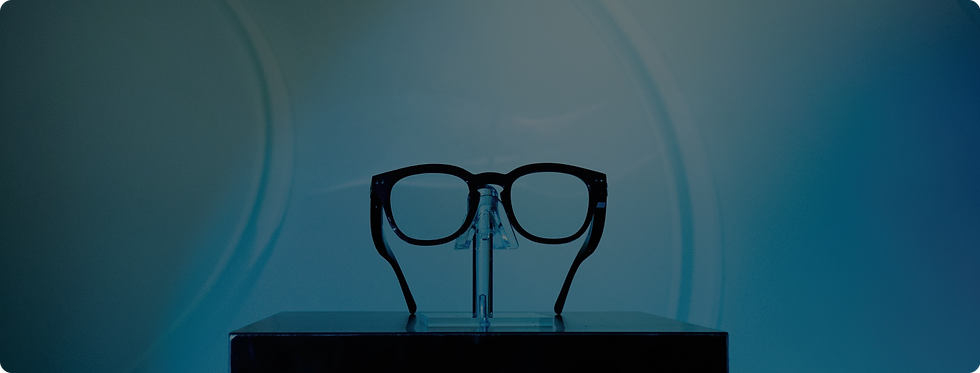
Finance
& Technology
Audiences expect clarity, calm, and human intelligence from these categories. Trust is built through the experience a brand creates, not through the complexity it demonstrates.
Key takeawayS
-
Visual and verbal communication that reflects stability, security, simplicity.
-
Thought-leadership and educational experiences that reduce cognitive overwhelm.
-
Human-centered storytelling that highlights discernment and care.
-
Digital interfaces and content that protect attention and convey confidence.
Photo via poppi

Consumer
packaged Goods
Everyday products become cultural signals. Renewal emphasizes objects with emotional value, aesthetic presence, and narrative depth.
Key takeawayS
-
Display-first design amplified through digital and social storytelling.
-
Seasonal and scarcity-based drops tied to cultural rhythms.
-
Experiential pop-ups that connect products to sensory rituals.
-
PR strategies highlighting place, craft, and lifestyle context.
Maritime Partners Yacht Club Super Bowl Party Performace by Diplo | @wearebmf

Music,
Entertainment
& Streaming
The center of gravity shifts from polished releases to participatory moments. Culture now forms around interpretation, live presence, and collective meaning-making.
Key takeawayS
-
Formats built for real-time participation and shared experience.
-
Launch ecosystems that invite fan interpretation and extend world-building.
-
Collectible objects and symbolic artifacts that honor fandom micro-signals.
-
PR strategies that position premieres and releases as cultural events.
Photo via Marriott International | @wearebmf

Wine
& Spirits
Consumption becomes ritual. Story, ceremony, and sensory atmosphere shapes category expectations.
Key takeawayS
-
Tasting experiences centered on mood, sound, and narrative.
-
Seasonal and limited-edition drops that elevate craft and provenance.
-
Visual and digital storytelling that foregrounds emotional meaning.
-
Positioning low- and no-alcohol formats through design sophistication and ritual cues.
Brand Implications
Create experiences, spaces, and stories that allow people to begin again.
Offer moments of clarity, rest, and reinvention.
Build environments that reduce noise, support presence, and respect boundaries.
Reflect real human feelings. Build storytelling around shared interiority rather than aspiration.
Design experiences around outcomes: expand participation where it drives impact, and use selective exclusivity when it creates cultural value and momentum.
Use materials that age gracefully. Build products with longevity as a core value.
Unlock live, real-time, unpredictable storytelling. Audiences crave immediacy.
Develop artifacts, tokens, and micro-signals that allow communities to express belonging.
Engage archives through thoughtful reinterpretation and reissue with a modern perspective.
Use technology to accelerate human-led ideas rather than replace them.
Integrate simple, grounding rituals into product design, retail experiences, hospitality, and communication.
Brand Implications:
Design For Renewal
Create experiences, spaces, and stories that allow people to begin again. Offer moments of clarity, rest, and reinvention.
Design For Attention Protection
Build environments that reduce noise, support presence, and respect boundaries.
Support Emotional Truth
Reflect real human feelings. Build storytelling around shared interiority rather than aspiration.
Support Access With Intent
Design experiences around outcomes: expand participation where it drives impact, and use selective exclusivity when it creates cultural value and momentum.
Honor Material Integrity
Use materials that age gracefully. Build products with longevity as a core value.
Invest In Unpolished Formats
Unlock live, real-time, unpredictable storytelling. Audiences crave immediacy.
Create Symbolic Value
Develop artifacts, tokens, and micro-signals that allow communities to express belonging.
Revisit Heritage With Intention
Engage archives through thoughtful reinterpretation and reissue with a modern perspective.
Prioritize Human Creativity
Use technology to accelerate human-led ideas rather than replace them.
Elevate Ritual
Integrate simple, grounding rituals into product design, retail experiences, hospitality, and communication.
Closing
Reflection
Renewal defines the cultural temperament of 2026. The world is ready to reimagine itself with more care, originality, and emotional honesty. People want work that speaks to the senses and the spirit. They want environments that steady the mind. They want communities that feel human. Culture gravitates toward experiences that trust the intelligence of the audience and designs that honor the passage of time.
Cultural Renewal is not a trend cycle. It is a shift in how people understand themselves and the world around them. The brands that lead will be the ones that create clarity in a saturated landscape, protect attention rather than compete for it, and build work that reflects the complexity and potential of the present moment.
In a year defined by emergence, relevance comes from inventing what did not exist before. Renewal begins with intention. Culture moves forward when imagination is given room to return.

Stay Inspired.
To explore how this cultural intelligence can be applied to your brand or business, connect with us. Let’s collaborate on what renewal looks like for you.
Save for Later?
BMF Cultural Trendbook 2026
Powered by The Pulse
Editor-in-Chief
Josh Tierney
Strategy & Cultural Analysis
Kimberly Jacobson
Hannah Noonan
Writing & Research
Alfie Willing
Julia Mollin
Matt Caraccioli
Valentina Corrêa da Silva
Creative Direction & Design
Kevin Loumeau
Melissa Notaro
Tessa Goode
© 2026 BMF / The Pulse | All rights reserved.